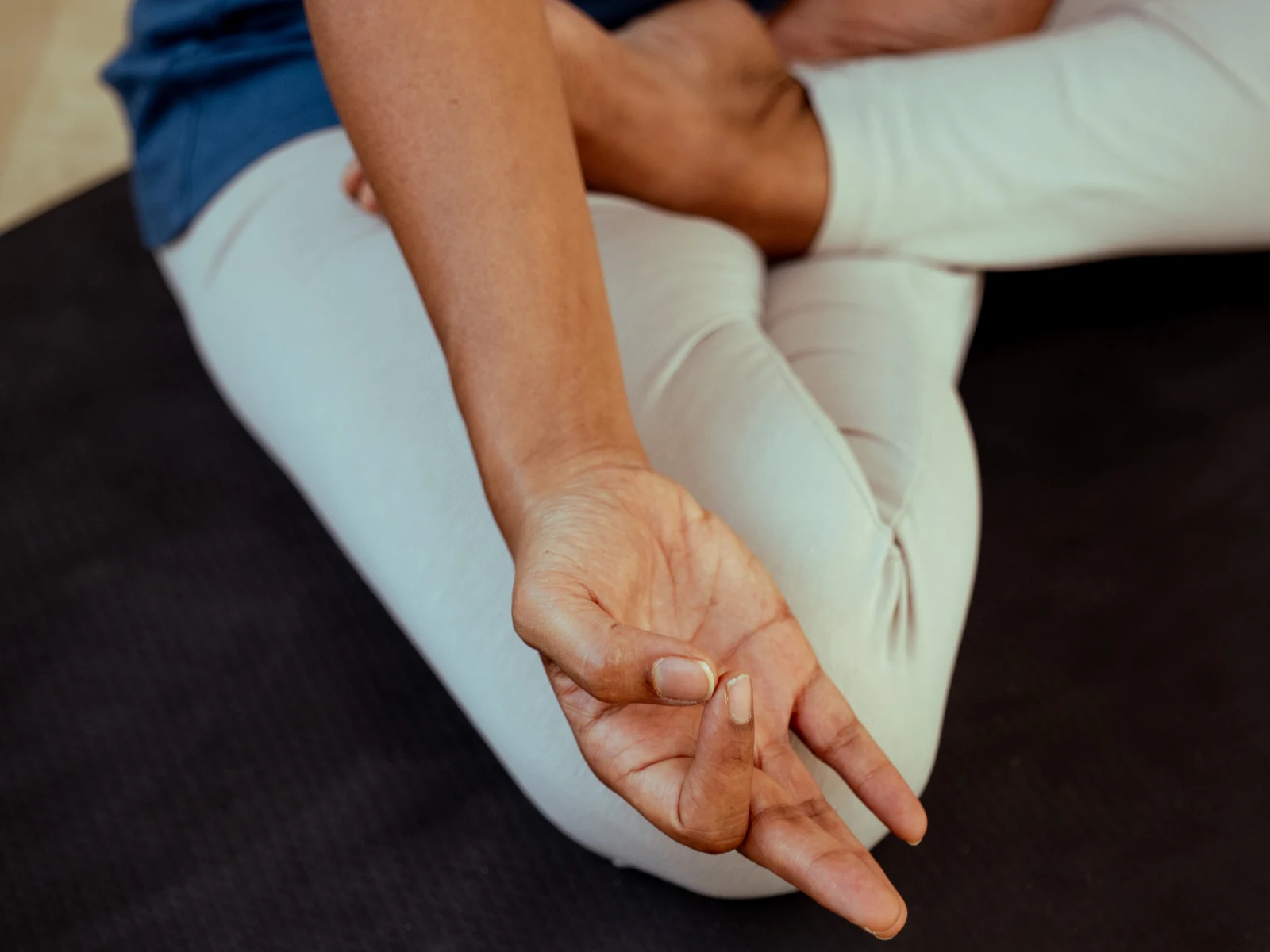
Pranayama Classes in Bangalore — Why Breathwork Deserves Its Own Practice
Key Takeaways
- This article covers actionable guidance from Absolute Yoga's certified instructors.
- Topics include yoga practice, breathwork (pranayama), flexibility, mindfulness, and stress relief.
- Suitable for beginners and regular practitioners seeking structured yoga in Bangalore.
- Absolute Yoga offers in-studio, online, and aerial yoga classes from HRBR Layout, Kalyan Nagar.
Most yoga students encounter pranayama as five minutes at the end of a class. A few cycles of deep breathing, some Nadi Shodhana, then Savasana. It is treated as a transition â a cooldown after the physical work.
This is a significant underestimation of what pranayama actually is.
The classical yoga texts â including Patanjaliâs Yoga Sutras and the Hatha Yoga Pradipika â place pranayama as the fourth of eight limbs of yoga, after asana and before pratyahara (withdrawal of the senses). In the traditional view, asana prepares the body to sit still. Pranayama prepares the mind for meditation. The physical postures are the foundation. Breath is the bridge.
At Absolute Yoga in Kalyan Nagar, pranayama is woven into every class and also taught as dedicated practice. Here is what you actually need to know about it.
What Pranayama Is â and What It Isnât
Prana means life force â the energy that animates the body. Ayama means extension or regulation. Pranayama, literally, is the regulation of the life force through the breath.
This is not metaphorical language for âbreathing exercises.â The breath is the only autonomic function that can be brought under conscious control. The heart rate, digestion, and hormone secretion are largely involuntary. The breath sits at the intersection: it runs on its own when you are not paying attention, and it responds immediately and powerfully when you direct it intentionally.
That intersection is why pranayama has measurable physiological effects that other wellness practices do not.
The Physiology: How Pranayama Changes the Body
The vagus nerve pathway
The vagus nerve carries parasympathetic signals from the brainstem to the heart, lungs, and digestive organs. Slow, extended exhalations stimulate the vagus nerve directly. This is the biological mechanism behind why deep breathing calms the nervous system. It is not placebo or relaxation in the loose sense â it is direct stimulation of the bodyâs primary rest-and-digest pathway.
Carbon dioxide and breath retention
Many people believe the physiological benefit of pranayama comes from increasing oxygen intake. The research suggests the more significant mechanism is CO2 tolerance. Breath retention practices â kumbhaka â temporarily raise carbon dioxide levels, which trains the body to respond more calmly to CO2 build-up. People with low CO2 tolerance tend to over-breathe under stress, which paradoxically reduces oxygen delivery to the brain. Regular kumbhaka practice measurably improves this.
HRV and resilience
Heart rate variability (HRV) â the millisecond variation in time between heartbeats â is a widely used marker of autonomic nervous system health. A 2019 study in Scientific Reports found that slow breathing at approximately 6 breaths per minute (roughly 5 seconds in, 5 seconds out) significantly increased HRV, even in healthy participants with no prior breathing practice. This is the resonance breathing or coherence breathing pattern that is the foundation of many pranayama sequences.
The Core Techniques â and When to Use Them
Nadi Shodhana (Alternate Nostril Breathing)
Alternate nostril breathing alternates inhalation and exhalation between the left and right nostrils using specific hand mudras. The left nostril is associated with the lunar, cooling channel (ida nadi); the right with the solar, activating channel (pingala nadi). Alternating between them is said to balance both hemispheres of the nervous system.
In practice: Nadi Shodhana measurably lowers heart rate, reduces cortisol, and improves cognitive performance. It is one of the safest and most effective practices for anxiety and is appropriate for most practitioners from the first session.
Ujjayi (Victorious Breath)
Ujjayi involves a slight constriction at the back of the throat, creating a soft oceanic sound on both inhalation and exhalation. It is the breath used throughout Ashtanga and Vinyasa classes. It builds internal heat, prolongs the breath, and creates a focus point that anchors the mind during movement.
In practice: Ujjayi is the transition between ordinary breathing and pranayama. Learning it properly is foundational before progressing to retention or ratio-based practices.
Bhramari (Humming Bee Breath)
Bhramari involves exhaling with a low humming sound, which creates vibration in the skull and upper airway. Research from the Department of Physiology at AIIMS found that Bhramari practice significantly reduces blood pressure and induces measurable parasympathetic activation within four rounds.
In practice: particularly effective for anxiety, insomnia, and students who find visual or seated meditation difficult. The auditory and tactile focus of the humming sound is easier to hold than breath-counting for many beginners.
Kapalabhati (Skull-Shining Breath)
Kapalabhati involves forceful, rapid exhalations with passive inhalations. It is a cleansing breath practice â a kriya â as much as a pranayama. It generates heat, clears the nasal passages, and activates the abdominal muscles and diaphragm.
In practice: contraindicated for students with high blood pressure, recent abdominal surgery, pregnancy, or active respiratory infection. This is a technique that should be learned with a teacher present before practising independently.
We also teach Bhastrika, Sheekari/Sheetali Pranayama and add mudras and bandhs for our advanced students. We ensure the that Pranayama practice is appropriate to the weather, the time of the day and the energy level of the class.
Why Pranayama Needs Its Own Time
Pranayama practised at the end of a vigorous asana class, when the body is tired and the breath is still recovering, produces limited results. The more effective structure â the one classical texts recommend â is pranayama after the body is calm but before the mind is fully occupied by the dayâs demands.
This is why morning pranayama, practised before or after a gentle asana sequence and before phone use, produces the strongest outcomes. Ten minutes of dedicated breathwork in this window regularly outperforms forty minutes at the wrong time.
If a dedicated pranayama session is not possible, even three minutes of deliberate Nadi Shodhana before a difficult meeting or a stressful commute produces a measurable and immediate shift.
Pranayama at Absolute Yoga
Pranayama is integrated into every class at our studio in HRBR Layout, Kalyan Nagar. For students who want to go deeper into breathwork specifically, our teachers include pranayama as a structured component of therapeutic sessions and early morning batches. Students from Kammanahalli, Horamavu, and Nagawara regularly attend our 6:45 AM sessions specifically to establish a morning pranayama and asana routine before work.
If you are interested in learning pranayama in a structured, supervised environment, book a free trial at wa.link/a15eyp and let us know your interest when you arrive. You can also explore our live online yoga classes at absoluteyoga.in/online-yoga-classes-bangalore.php, which include pranayama in every session.
Frequently Asked Questions
Do I need to know yoga poses before learning pranayama?
No. Pranayama can be learned independently of asana. You need to be able to sit comfortably â on a chair is fine if sitting on the floor is uncomfortable â and follow simple breath instructions. Some advanced retention practices require a reasonable level of baseline respiratory fitness, but the foundational techniques like Nadi Shodhana and Bhramari are accessible from the very first session.
How long does pranayama practice take to produce results?
Most students notice a change in their state within the first session â particularly a reduction in mental noise and a sense of physical calm. More lasting changes to stress resilience, sleep quality, and breathing patterns develop over four to eight weeks of consistent daily practice. Even ten minutes a day produces measurable change.
Is pranayama safe for everyone?
Most gentle pranayama techniques â Nadi Shodhana, Bhramari, slow belly breathing â are safe for nearly everyone. Forceful practices like Kapalabhati and Bhastrika have contraindications including high blood pressure, pregnancy, heart conditions, and recent surgery. Always inform your teacher of any health conditions before practising breath retention or forceful breathing exercises.