Hatha vs Ashtanga Yoga — What's the Difference and Which Is Right for You?
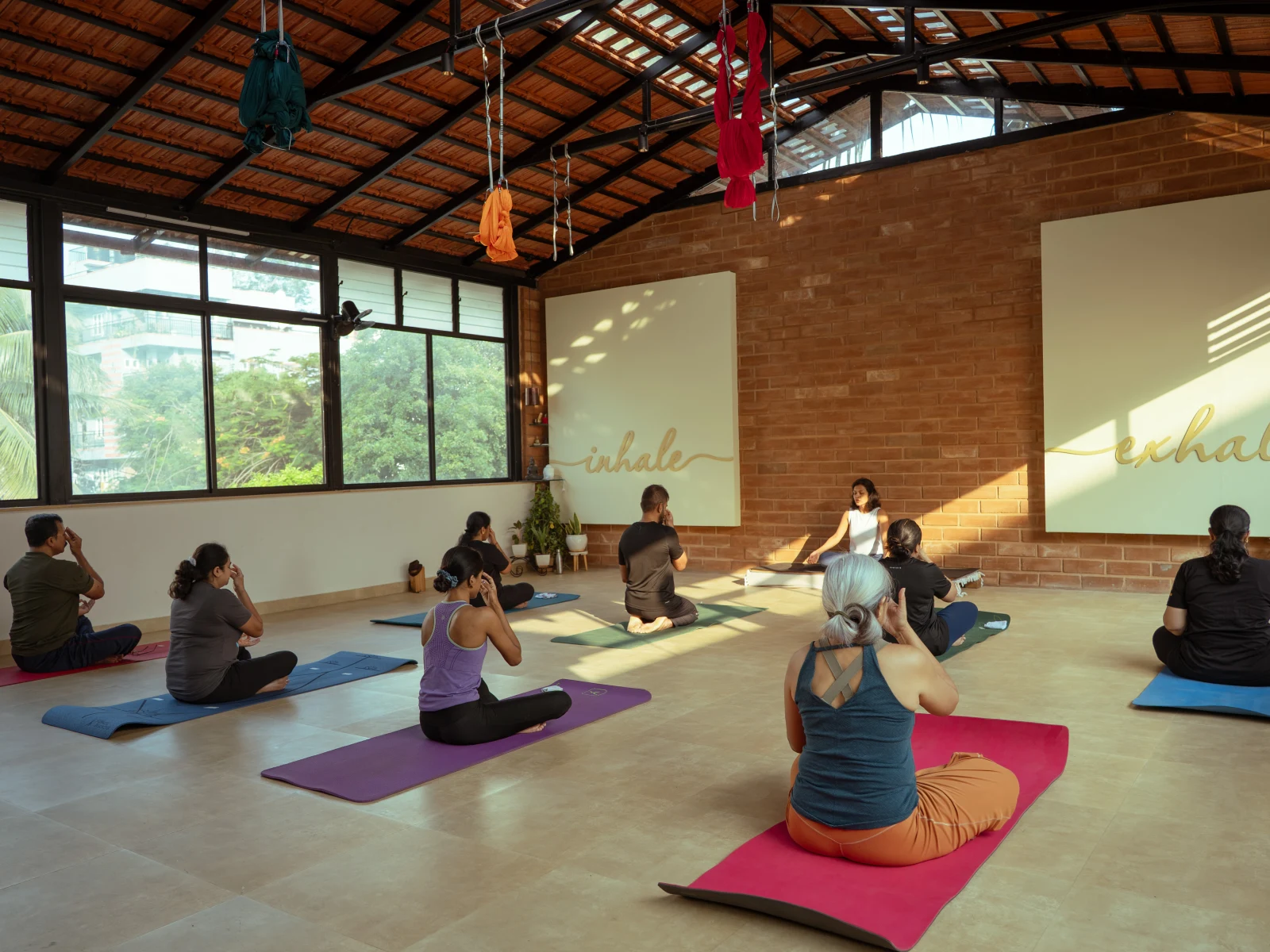
Walk into any yoga studio in Bangalore and you will see classes labelled Hatha, Ashtanga, Vinyasa, Yin, Power, Flow. For someone new to yoga, this is confusing. For someone returning after a break, it is almost as confusing.
The two styles that come up most often â and the two that are most frequently misunderstood â are Hatha and Ashtanga. This guide explains what each actually is, how they differ in practice, and how to choose between them based on where you are right now.
What Is Hatha Yoga?
Hatha yoga is often described as "traditional" or "classical" yoga. In Sanskrit, ha means sun and tha means moon â the union of opposites. In practice, Hatha yoga refers to the physical branch of yoga: poses (asanas) and breath control (pranayama) practised deliberately and with awareness.
In a Hatha yoga class, poses are typically held for several breaths. The pace is measured. The emphasis is on alignment, breath, and the felt sense of each posture rather than on moving quickly between them.
This makes Hatha yoga particularly well-suited for:
⢠Beginners building a foundation
⢠Students recovering from injury
⢠Anyone managing stress, back pain, or chronic tension
⢠Practitioners who want depth over speed
Hatha is also the root style from which most modern yoga derives. Ashtanga, Iyengar, and Vinyasa all trace their lineage through Hatha principles.
What Is Ashtanga Yoga?
Ashtanga yoga is a specific, structured method developed by Sri K. Pattabhi Jois of Mysore, India, in the 20th century â though its roots go back further through T. Krishnamacharya, widely considered the father of modern yoga.
Ashtanga follows a fixed sequence of postures, always performed in the same order. Each pose is connected to the next through a vinyasa â a breath-linked transitional movement. This creates a dynamic, flowing practice with a continuous rhythm.
There are six series in Ashtanga. Most students spend months or years in the Primary Series alone. The practice is physically demanding, internally structured, and deeply methodical.
Ashtanga is well-suited for:
⢠Students with a reasonable base of physical fitness
⢠Those who appreciate structure and sequence
⢠Practitioners interested in traditional yoga lineage
⢠People who want a strong physical practice alongside the meditative and philosophical elements
The Key Differences Side by Side
| Hatha Yoga | Ashtanga Yoga | |
| Pace | Slow to moderate | Dynamic, continuous |
| Sequence | Varies class to class | Fixed â same every time |
| Breath | Conscious, natural | Ujjayi breath throughout |
| Intensity | Low to moderate | Moderate to high |
| Best for | All levels, beginners, recovery | Intermediate to advanced |
| Focus | Alignment, breath, stillness | Strength, stamina, sequence |
| Session length | 60â90 minutes | 60â90 minutes |
The Misconception About Hatha Being "Easy"
Many students assume Hatha yoga is the beginner's version and Ashtanga is the "real" yoga. This is incorrect and worth addressing directly.
A well-taught Hatha class can be deeply challenging â not because of speed or complexity, but because of the demand it places on your attention, your breath, and your capacity to be still. Holding Virabhadrasana II for ten breaths with correct alignment is harder than flowing through it quickly. Sitting with discomfort in a hip opener without distraction is harder than moving past it.
Hatha yoga is not easier than Ashtanga. It is differently difficult.
Which Should You Start With?
Start with Hatha if:
⢠You are new to yoga
⢠You have any injury, chronic pain, or health condition
⢠You want to understand what you are doing and why before you increase pace
⢠You find stillness and slowness challenging (which is most people)
Consider Ashtanga if:
⢠You have at least six months of consistent yoga practice behind you
⢠You are physically active and comfortable with moderate-high intensity
⢠You are drawn to tradition and structure
⢠You want a practice that will be the same every time, allowing you to track progress precisely
A practical suggestion: Start with Hatha. Learn alignment. Learn breath. Learn what your body does under load. Then, when you are ready, add Ashtanga â or not. Many serious practitioners spend their entire practice life in Hatha and never feel they have exhausted it.
What We Teach at Absolute Yoga
At Absolute Yoga in Kalyan Nagar, our classes draw from both Hatha and classical yoga traditions. The foundation is always the same: breath before movement, alignment before intensity, consistency before ambition.
Our Saturday Classical Yoga batch is particularly suited to students who want the structure and rigour of traditional practice. Our weekday morning and evening batches take a Hatha-influenced approach â methodical, aligned, suitable for all levels from complete beginners to experienced students.
If you want to understand what style suits your body and goals before committing to a class, WhatsApp us and we will guide you. You can also learn more about how our classes are structured or book a free trial class to experience it directly.